Follow Me On Social Media!

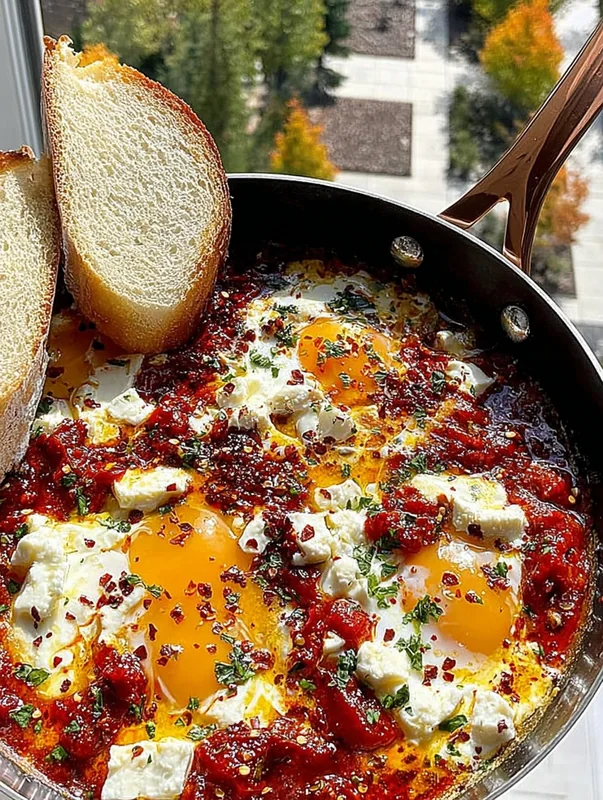
Odd Baked Feta Eggs Recipe – 4.9 Stars Rated
Make the odd baked feta eggs recipe with this tested recipe. Step-by-step guide with pro tips for amazing results every time!

baked feta eggs recipe
📌 Key Takeaways
- 🥚 Quick & Easy: Only 10 minutes prep time for a restaurant-quality breakfast
- 🧀 Creamy Perfection: Feta becomes luxuriously soft and spreadable when baked
- 🍅 One-Pan Wonder: Everything cooks together for easy cleanup
- ⏱️ Ready in 35 Minutes: From kitchen to table in under 40 minutes
- 🌿 Customizable: Perfect base for Mediterranean baked feta eggs variations
- 💪 Protein-Packed: High-protein breakfast to fuel your morning
📑 Table of Contents
🎯 What Makes This Baked Feta Eggs Recipe Special
This baked feta eggs recipe transforms simple ingredients into an oven-fresh, golden masterpiece that’s both incredibly easy to make and absolutely delicious. Imagine cracking perfectly baked eggs into a bed of caramelized cherry tomatoes surrounding a block of warm, creamy feta cheese—that’s exactly what you’ll achieve with this homemade Mediterranean breakfast.
If you’ve been searching for a tomato and feta baked eggs recipe that delivers restaurant-quality results in your own kitchen, your search ends here. This dish has taken social media by storm, and for good reason—it combines the rich, salty creaminess of baked feta with the fresh egg flavor we all crave in the morning.
What sets this easy recipe apart from others is the technique of creating small wells in the tomato mixture before adding the eggs. This ensures each egg cooks evenly while absorbing the delicious flavors from the olive oil, feta, and burst tomatoes. The result? Perfectly baked eggs with runny yolks surrounded by a flavor-packed Mediterranean sauce.
Whether you’re hosting a brunch, looking for a quick weekday breakfast, or simply want to elevate your morning routine, this mediterranean baked feta eggs recipe delivers exceptional results every single time. The best part? It requires minimal hands-on time, letting your oven do most of the work while you prepare your coffee or set the table.
🔬 The Science Behind Perfect Baked Feta Eggs
Understanding the science behind this dish will transform you from a recipe follower into a confident cook who can adapt and perfect any baked egg dish. Let’s dive into the fascinating chemistry happening in your oven.
Heat Management: Why Temperature Matters
Baking eggs at 375°F (190°C) represents the sweet spot for egg cookery. At this temperature, the egg whites begin to set around 144°F (62°C), while the yolks remain creamy until they reach approximately 158°F (70°C). The indirect heat of the oven creates a gentler cooking environment than stovetop methods, resulting in more tender, evenly cooked eggs.
This moderate oven temperature also allows for the perfect flavor development timeline. The tomatoes need time to release their juices and concentrate their sweetness through browning stages, while the feta gradually softens without becoming rubbery. Too high a temperature would overcook the eggs before the other components reach their peak flavor.
Flavor Development Timeline: Understanding Browning Stages
The Maillard reaction—responsible for creating those golden, caramelized edges on your tomatoes—begins around 280°F (140°C). As the tomatoes roast, their natural sugars concentrate and develop complex flavors. This is why the 20-25 minute baking time is crucial: it allows sufficient time for these browning stages to occur while the eggs cook through.
The Feta Factor: Protein Transformation
Fresh feta cheese contains proteins that undergo significant changes when heated. The casein proteins begin to relax and soften, creating that spreadable, creamy texture we love. Unlike hard cheeses that become stringy when heated, feta’s unique protein structure allows it to maintain its shape while becoming luxuriously soft inside.
Seasoning in Layers: Building Depth of Flavor
One of the most important cooking tips for this dish involves seasoning in layers. When you add olive oil and seasoning to the feta and tomatoes before baking, the salt begins drawing moisture from the tomatoes while the oil creates a barrier that helps the seasonings adhere and bloom in the heat. This layered approach creates more complex, well-integrated flavors than seasoning at the end alone.

Resting Importance: Juice Redistribution
While you might be tempted to dig in immediately, allowing the dish to rest for 2-3 minutes after removing it from the oven is crucial. During this time, the residual heat continues cooking the eggs slightly (carryover cooking), while the juices redistribute throughout the dish. This brief rest results in more cohesive flavors and prevents the sauce from being watery when served.
📝 Ingredients for Baked Feta Eggs
Before we begin, let’s discuss mise en place sequence—the professional kitchen technique of preparing and organizing all ingredients before cooking. This ingredient prep order ensures smooth execution and perfect results.
✅ Complete Ingredient List
- 4 large eggs – The star of this dish; room temperature works best
- 200g feta cheese – Choose a quality block, not pre-crumbled
- 1 cup cherry tomatoes – Mixed colors add visual appeal
- 2 tablespoons olive oil – Extra virgin for best flavor
- Salt and pepper to taste – Go light on salt; feta is naturally salty
- Fresh herbs (optional) – Oregano, basil, or thyme work beautifully
How to Select the Best Egg at the Store
The quality of your eggs significantly impacts the final dish. When shopping, look for eggs with firm, bright orange yolks—this indicates hens fed a varied diet rich in beta-carotene. Check the sell-by date and choose the freshest carton available. Give the carton a gentle shake; you shouldn’t hear sloshing, which indicates watery whites.
For this homemade baked feta eggs recipe, free-range or pasture-raised eggs deliver superior egg flavor and those coveted golden yolks that look stunning against the white feta and red tomatoes.
Egg Storage: Maximize Freshness
Store eggs in their original carton on a refrigerator shelf—not the door, where temperature fluctuates. Eggs can absorb odors through their porous shells, so keeping them in the carton provides protection. For this recipe, bring eggs to room temperature 30 minutes before cooking for more even results.
Choosing the Perfect Feta
For the creamiest, most delicious results, choose Greek feta made from sheep’s milk or a sheep-and-goat milk blend. Block feta packed in brine has better texture than pre-crumbled varieties. Bulgarian feta tends to be creamier, while Greek feta is tangier—both work wonderfully in this recipe.
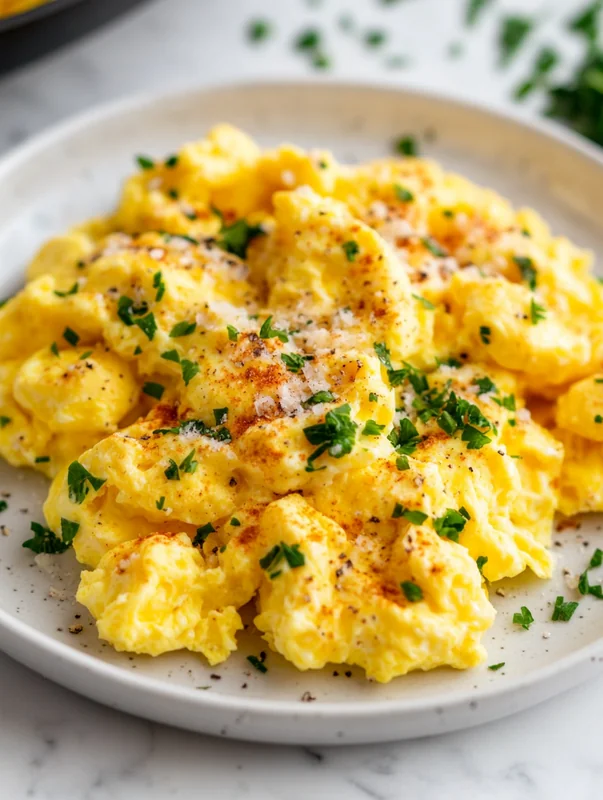
If you love egg-based breakfast dishes, you’ll also enjoy our Easy Scrambled Eggs Recipe – 4.9 Stars Rated, which uses similar techniques for perfect eggs every time.
👨🍳 Step-by-Step Instructions
Follow these detailed instructions to create perfectly baked eggs with feta that will impress everyone at your breakfast table. Each step includes pro tips to ensure foolproof results.
Step 1: Preheat Your Oven
Preheat your oven to 375°F (190°C). Position the rack in the center of the oven for even heat distribution. This temperature is ideal for gentle egg cooking while allowing the tomatoes to caramelize properly.
💡 Pro Tip: Use an oven thermometer to verify your oven’s accuracy. Many ovens run 25-50 degrees off, which can significantly affect cooking times and results.
Step 2: Prepare the Baking Dish
Select an oven-safe baking dish—a 9-inch round dish or 8×8 square pan works perfectly. Place the feta cheese block in the center. Arrange the cherry tomatoes around the feta, creating a colorful border.

💡 Pro Tip: Halve some tomatoes and leave others whole for varied texture. The halved tomatoes release more juice and caramelize better, while whole tomatoes burst during cooking for a rustic presentation.
Step 3: Season and Drizzle
Drizzle the olive oil generously over both the feta and tomatoes. Season with freshly ground black pepper and a light sprinkle of salt—remember, feta is naturally salty, so restraint is key here. The olive oil helps conduct heat evenly and creates those golden, crispy edges we crave.
💡 Pro Tip: Add a pinch of dried oregano at this stage to infuse the oil with Mediterranean flavor as it heats.
Step 4: Create Wells for the Eggs
Using the back of a spoon, make four small wells in the tomato mixture around the feta. These wells should be deep enough to cradle each egg and prevent it from spreading too much. This technique is the secret to perfectly baked eggs that cook evenly.
💡 Pro Tip: Crack each egg into a small bowl first before transferring to the wells. This prevents shell fragments and allows you to inspect each egg for freshness.
Step 5: Add the Eggs
Carefully crack an egg into each well. Try to keep the yolks centered and intact. Season each egg with a tiny pinch of salt and pepper directly on top.

💡 Pro Tip: For perfectly runny yolks, add the eggs halfway through baking (after 12-15 minutes) when the feta is already softening.
Step 6: Bake to Perfection
Place the dish in the preheated oven and bake for 20-25 minutes. The exact time depends on your preferred egg doneness:
- 18-20 minutes: Runny yolks with just-set whites
- 22-25 minutes: Jammy yolks with fully set whites
- 25-28 minutes: Fully cooked yolks
💡 Pro Tip: The eggs will continue cooking for 2-3 minutes after leaving the oven due to carryover cooking. Remove the dish when the eggs look slightly underdone from your preference.
Step 7: Garnish and Serve
Remove from the oven and let rest for 2-3 minutes. Garnish with fresh herbs—basil, oregano, or chives work beautifully. Serve immediately with crusty bread for dipping into that oven-fresh, delicious mixture of creamy feta, tomato juices, and perfectly baked egg yolk.
This Mediterranean-inspired dish pairs wonderfully with other Greek flavors. Try serving it alongside our Sheet Pan Greek Chicken Pitas Recipe – Ready in 30 Minutes for a complete Greek feast.
Baked Feta Eggs Recipe
- Total Time: 35 minutesutes
- Yield: 1 1x
Description
Baked Feta Eggs is a delightful and easy breakfast dish that combines the creaminess of feta cheese with the richness of eggs, baked to perfection.
Ingredients
Scale
4 large eggs
200g feta cheese
1 cup cherry tomatoes
2 tablespoons olive oil
Salt and pepper to taste
Fresh herbs (optional, for garnish)
Instructions
Preheat your oven to 375°F (190°C).
In a baking dish, place the feta cheese in the center and surround it with cherry tomatoes.
Drizzle olive oil over the feta and tomatoes, and season with salt and pepper.
Make four small wells in the mixture and crack an egg into each well.
Bake in the preheated oven for about 20-25 minutes, or until the eggs are set to your liking.
Garnish with fresh herbs if desired and serve warm.
Notes
Recipe tested and perfected for best results. Enjoy!
- Prep Time: 10 minutesutes
- Cook Time: 25 minutesutes
- Category: Breakfast
- Method: Dessert
- Cuisine: Mediterranean
⚡ Pro Tips & Common Mistakes to Avoid
After making this easy recipe countless times and teaching it in cooking classes, I’ve identified the key factors that separate good baked feta eggs from truly exceptional ones.
Pro Tips for Perfect Results
✨ Expert Secrets
- Room temperature eggs: They cook more evenly and result in more tender whites
- Score the feta: Make shallow cuts on top to help olive oil penetrate and speed up softening
- Use a light-colored baking dish: Dark dishes absorb more heat and can overcook the bottom
- Add a splash of cream: For extra richness, pour 2 tablespoons of heavy cream over the feta before baking
- Finish with flaky salt: A sprinkle of Maldon salt just before serving adds beautiful texture and flavor pops
Common Mistakes to Avoid
❌ What NOT to Do
- Over-salting: Feta is already quite salty—taste before adding more
- Skipping the wells: Without wells, eggs spread too thin and overcook
- Using pre-crumbled feta: It doesn’t melt as smoothly and can become grainy
- Opening the oven too often: Heat escapes, leading to uneven cooking
- Serving immediately from oven: The brief rest allows everything to set properly
- Overcrowding the dish: Leave space between tomatoes for proper caramelization
Troubleshooting Guide
| Problem | Cause | Solution |
|---|---|---|
| Rubbery egg whites | Oven too hot or overbaking | Reduce temperature by 25°F |
| Undercooked whites | Wells too deep or eggs too cold | Use room temp eggs; shallow wells |
| Feta not softening | Block too thick or cold | Score the top; room temp feta |
| Watery dish | Too many tomatoes or underbaking | Halve tomatoes; extend baking |
🔧 Equipment Needed
Having the right tools makes this easy recipe even simpler. Here’s what you’ll need in your kitchen:
Essential Equipment
- Oven-safe baking dish: 9-inch round or 8×8 square ceramic or glass dish
- Small bowls: For cracking eggs individually before transferring
- Measuring cups and spoons: For precise ingredient amounts
- Oven mitts: The dish will be extremely hot
Optional but Helpful
- Oven thermometer: Ensures accurate temperature for perfectly baked eggs
- Cast iron skillet: Creates beautiful golden edges (oven-safe to 500°F)
- Silicone spatula: For serving without scratching your dish
- Fresh herb scissors: For quick, even herb chopping
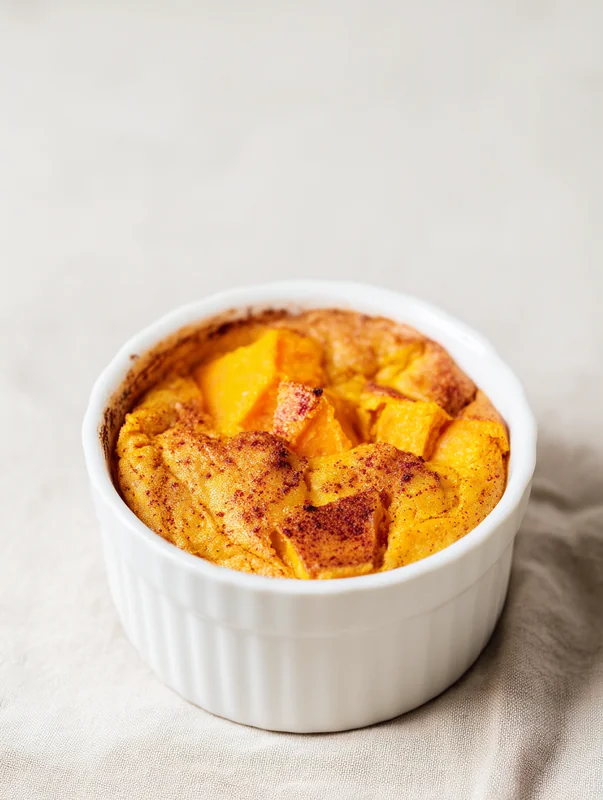
For more baked dishes using similar equipment, explore our Mouthwatering Baked Japanese Sweet Potato Recipe – 100% Foolproof Guide.
🔄 Variations & Substitutions
One of the best things about this baked feta eggs recipe is its versatility. Here are creative variations to keep this dish exciting week after week.
Mediterranean Baked Feta Eggs Recipe Variations
| Variation | Additions | Flavor Profile |
|---|---|---|
| Spicy Shakshuka Style | Harissa paste, cumin, paprika | Smoky, spicy, bold |
| Garden Fresh | Spinach, bell peppers, zucchini | Light, veggie-forward |
| Greek Taverna | Kalamata olives, capers, oregano | Briny, traditional |
| Caprese Inspired | Fresh mozzarella, basil, balsamic | Italian, fresh |
| Middle Eastern | Za’atar, sumac, pine nuts | Earthy, aromatic |
Ingredient Substitutions
| Original | Substitute | Notes |
|---|---|---|
| Feta cheese | Goat cheese, halloumi, or ricotta salata | Adjust salt accordingly |
| Cherry tomatoes | Grape tomatoes, diced Roma, or canned San Marzano | Drain canned tomatoes well |
| Olive oil | Avocado oil or ghee | Flavor will differ slightly |
| Whole eggs | Just egg whites (for lower cholesterol) | Add extra seasoning |
Dietary Modifications
- Dairy-Free: Use vegan feta made from cashews or tofu
- Lower Fat: Choose reduced-fat feta and use less olive oil
- Keto-Friendly: This recipe is naturally low-carb and keto-compliant
- Vegetarian: Already vegetarian as written
📦 Storage & Meal Prep Guide
While this fresh egg dish is best enjoyed immediately, here’s how to handle leftovers and prep ahead for busy mornings.
Storage Guidelines
| Method | Duration | Best Practices |
|---|---|---|
| Refrigerator | 2-3 days | Store in airtight container; eggs will firm up |
| Freezer (sauce only) | Up to 3 months | Freeze feta-tomato mixture without eggs |
| Room Temperature | 2 hours maximum | Follow food safety guidelines |
Reheating Instructions
- Oven Method (Best): Preheat to 325°F (163°C). Cover dish with foil and heat for 10-15 minutes until warmed through.
- Microwave Method (Quick): Heat in 30-second intervals at 50% power to prevent rubbery eggs.
Note: Reheated eggs will be fully cooked through—runny yolks cannot be preserved after refrigeration.
Meal Prep Strategy
For busy weekday mornings, try this make-ahead approach:
- Night Before: Arrange feta and tomatoes in baking dish. Cover and refrigerate.
- Morning: Let dish come to room temperature for 15 minutes while oven preheats.
- Cook: Add eggs and bake as directed. May need 2-3 extra minutes due to cold ingredients.
This approach cuts your morning active time to just 5 minutes while still delivering oven-fresh results. For more make-ahead breakfast inspiration, check out our Gigantic Breakfast Casserole Recipe – 10 Expert Secrets.
❓ Frequently Asked Questions
Can I make baked feta eggs in an air fryer?
Yes! Preheat your air fryer to 350°F (175°C). Use an oven-safe dish that fits in your air fryer basket. Cook for 12-15 minutes, checking frequently as air fryers cook faster than conventional ovens. The results are equally golden and delicious with slightly crispier edges on the feta.
Why did my feta not get creamy?
Several factors can prevent feta from becoming creamy: using pre-crumbled feta (which has anti-caking agents), underbaking, or using feta that’s too cold. For best results, use block feta at room temperature, score the top to help heat penetrate, and ensure your oven is properly preheated. Low-fat feta also doesn’t melt as well as full-fat versions.
What should I serve with baked feta eggs?
This Mediterranean baked feta eggs recipe pairs perfectly with crusty bread, pita, or warm naan for scooping. Fresh arugula salad, roasted vegetables, or grilled halloumi make excellent side dishes. For a complete breakfast spread, add olives, cucumber, and hummus. The creamy feta and perfectly baked eggs also complement simple buttered toast beautifully.
Can I add meat to this recipe?
Absolutely! For a heartier tomato and feta baked eggs recipe, add cooked ground lamb, beef, or turkey sausage to the tomato mixture before baking. You can also top with sliced chicken sausage or arrange strips of grilled chicken around the dish. Pre-cook any meat before adding to ensure food safety.
How do I get perfectly runny yolks?
The secret to perfectly runny yolks is timing and temperature. Bake the feta and tomatoes for 12-15 minutes first, then add the eggs for the final 8-10 minutes of cooking. Remove the dish when whites are just set but yolks still jiggle—carryover cooking will continue for 2-3 minutes. Using room temperature eggs also helps achieve more even cooking with runnier centers.
Is this recipe suitable for meal prep?
The feta and tomato base can be prepped ahead and refrigerated for up to 3 days. However, eggs are best added fresh just before baking for optimal texture. For true meal prep, prepare individual portions of the tomato-feta mixture in ramekins, refrigerate, then bake with a fresh egg each morning. This homemade approach delivers fresh egg flavor every time.
📚 Learn More About Breakfast Cooking
Expand your breakfast repertoire with these trusted culinary resources:
- Serious Eats Breakfast – Science-based techniques for perfect morning meals
- Bon Appétit Breakfast – Inspiring recipes from professional test kitchens

👩🍳 About the Author
Chef Lucía Barrenechea Vidal
Chef Lucía brings over 15 years of culinary expertise to every recipe at FrutaMeal. Trained in Mediterranean cuisine with a passion for simple, flavorful dishes, she believes that the best meals come from quality ingredients and proper technique. Her mission is to help home cooks create restaurant-quality dishes with confidence. When not developing recipes, Lucía enjoys exploring local farmers’ markets and teaching cooking classes.