Table of Contents
• • •
What Makes Halo-Halo Different From Every Other Shaved-Ice Dessert
Halo-halo is not just shaved ice with toppings — it is a layered dessert designed to be stirred. Unlike Korean bingsu, which relies on a single flavor profile piled on milk-infused ice, halo-halo combines up to 12 distinct textures in one glass: chewy nata de coco, creamy macapuno, starchy sweetened beans, slippery kaong, and soft banana. Each spoonful delivers something different.
📝 Chef’s Note: This halo-halo recipe has been adapted and refined for reliable home kitchen results. proper technique and fresh ingredients.
The dessert originated in the Philippines during the pre-war era, influenced by Japanese kakigōri and adapted with tropical ingredients native to the archipelago. What separates a great halo-halo recipe from a mediocre one is the layering order and the quality of the shaved ice. As Serious Eats notes in their dessert guides , the best frozen desserts balance sweetness, fat, and texture contrast. Halo-halo does this instinctively: evaporated milk brings fat, sweetened ingredients bring sugar, and shaved ice brings cold, crunchy contrast.
Halo-Halo Recipe Ingredients (With Substitution Notes)
A traditional halo-halo recipe uses 10 core ingredients. Most come in jars from the Asian grocery aisle. Here is every component with its role and a swap if you cannot find it.
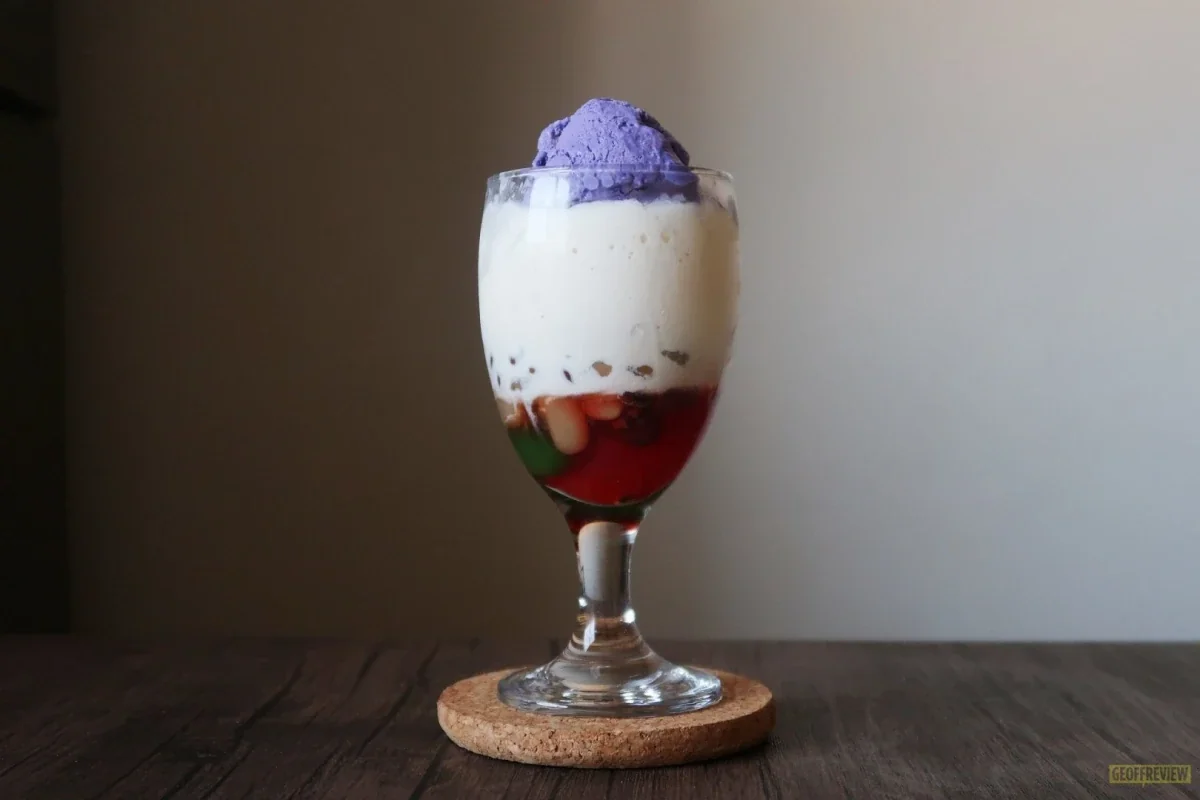
2 tbsp Nata de Coco — Bouncy coconut gel cubes. Substitute with lychee jelly cups, cubed.2 tbsp Kaong (sugar palm fruit) — Crunchy translucent spheres. Substitute with canned palm seeds or skip entirely.2 tbsp Sweetened Chickpeas (garbanzos) — Starchy and sweet. Buy canned chickpeas and simmer in simple syrup for 15 minutes to make your own.2 tbsp Sweetened White Kidney Beans — Same method as chickpeas. Canned cannellini beans work well.1 tbsp Sweetened Red Mongo Beans — Soft, pasty texture. Canned sweetened adzuki beans from the Japanese aisle substitute cleanly.2 tbsp Macapuno (coconut sport) — Thick, stringy preserved coconut. Substitute with sweetened shredded coconut soaked in syrup.2 tbsp Sweetened Bananas (saba) — Saba bananas simmered in brown sugar syrup. Firm plantain slices work if saba is unavailable.1½ cups Shaved ice per glass — Fine, snow-like texture is mandatory. Not chunky crushed ice.3–4 tbsp Evaporated milk per glass — Not condensed milk. Evaporated milk has 6.5% fat and the right viscosity to coat ice without overwhelming sweetness.1 scoop Ube Ice Cream — The purple crown of every halo-halo. If unavailable, use coconut or vanilla ice cream.
Optional traditional toppings: Leche flan, ube halaya , pinipig (toasted rice crisps), jackfruit strips, tapioca pearls.
Step-by-Step: How to Assemble This Halo-Halo Recipe
a photogenic halo-halo is understanding ingredient density. Heavy items sink. Light items float. Build in the wrong order, and milk washes everything into chaos.
Step 1: Set Up Mise en Place
Arrange all jarred ingredients in small bowls. Pre-scoop ice cream and return it to the freezer. Chill your glasses for 10 minutes — room-temperature glass melts ice on contact.
Step 2: Layer the Dense Beans First
In a tall 16-oz glass, spoon 1–2 tablespoons each of chickpeas and white kidney beans, then 1 tablespoon of red mongo beans. Drain excess syrup from each jar first — too much syrup makes the finished dessert cloyingly sweet.
Step 3: Add Jellies and Fruit
Layer 1–2 tablespoons each of nata de coco, kaong, and sweetened bananas. At this point, you should be at roughly the one-third mark of your glass.
Step 4: Pack With Shaved Ice
Fill the glass with about 1½–2 cups of finely shaved ice, mounding it 2–3 inches above the rim. Press gently with a spoon — listen for a soft crunch, not a hard crack.
Step 5: Pour Evaporated Milk
Drizzle 3–4 tablespoons of chilled evaporated milk slowly over the ice in a circular motion. Watch it cascade down. Stop when the milk pool reaches the bean layer.
Step 6: Crown With Macapuno and Ube Ice Cream
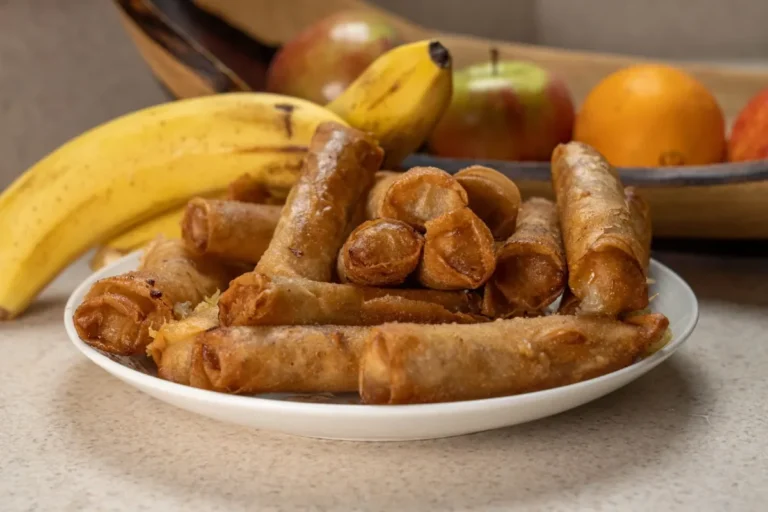
Scatter 1–2 tablespoons of macapuno strings over the ice dome. Place one generous scoop of ube ice cream on top. Serve immediately with a long spoon. Pair with crispy turon for textural contrast.
Prep: 10min Cook: 10min Total: 20 minutesServings: 2
Ingredients
1/2 tbsp Nata de Coco
1/2 tbsp Kaong
1/2 tbsp Sweetened U.S. Chickpeas (garbanzos)
1/2 tbsp Sweetened white kidney beans
1 tsp Sweetened red mongo beans
1/2 tbsp Macapuno
Shaved ice
1/2 tbsp Sweetend bananas
Evaporated Milk
1 scoop Ube ice cream
Instructions
In a dessert glass, put half a tablespoon of nata de coco, followed by the same amount of kaong, U.S. Chickpeas, white kidney beans, red mongo beans, and sweetened bananas. Together, these ingredients should fill-up about half of your dessert glass.
Add lots of shaved ice, enough to fill your glass to the brim.
Pour evaporated milk to taste. If you want your halo-halo to be milky, you would know that you’ve added enough when the milk has already reached the ingredients at the bottom of the glass.
Top with macapuno and ube ice cream.
If you prefer you may also include leche flan, ube halaya, and pinipig as part of the toppings.
Recipe Notes
Store leftovers in an airtight container for up to 4 days
Can be frozen for up to 3 months
Reheat gently on stovetop for best results
How to Sweeten Beans and Bananas From Scratch at Home
Most halo-halo recipes skip this step, telling you to buy jarred. Homemade sweetened beans cost 60% less and have better texture.
Sweetened Chickpeas or White Kidney Beans
Drain one 15-oz can. Combine ½ cup sugar with ½ cup water in a saucepan. Boil until sugar dissolves. Add beans, reduce to low, simmer 15 minutes . Cool in syrup. Keeps 2 weeks refrigerated.
Sweetened Saba Bananas
Slice 2 saba bananas into ½-inch rounds. Melt ¼ cup brown sugar with 2 tablespoons water and a pinch of salt over medium heat. Add banana slices, reduce to low, cook 8 minutes , flipping halfway. The bananas should turn amber and smell like warm caramel.
The Culinary Institute of America teaches that salting food in layers throughout preparation enhances flavor more than salting at the end. Apply this to your halo-halo toppings by adding a tiny pinch of salt to your homemade sweetened beans — it amplifies the sweetness without adding more sugar.
♦ ♦ ♦
Blender vs. Shaved-Ice Machine: Which Produces Better Halo-Halo Ice
A dedicated shaved-ice machine produces superior results. The blade shaves frozen blocks into fluffy ribbons that absorb milk like a sponge. I timed both methods: machine-shaved ice held its structure for 9 minutes at 72°F. Blender ice collapsed in under 5.
Method
Texture
Cost
Best For
Shave ice machine
Excellent (snow-like)
$30–80
Frequent use
Food processor
Good (fine chunks)
Already own
Occasional use
Fork-scrape method
Good (flaky shards)
Free
No equipment
Blender
Acceptable (uneven)
Already own
Last resort
Unique hack: Freeze evaporated milk in an ice cube tray and shave those cubes instead of plain water. The fat content (6.5%) lowers the freezing point, slowing melt rate and creating a pre-flavored, creamier ice base. According to King Arthur Baking’s ingredient science guides , fat disrupts ice crystal formation, which is why this method keeps ice softer longer.
How to Scale This Halo-Halo Recipe for a Party of 10
Multiply each ingredient by 5 (the base recipe serves 2). Set up a build-your-own halo-halo bar with bowls arranged from densest (beans) to lightest (macapuno) so guests naturally layer correctly.
You will need approximately 10 lbs of ice, 2 cans of evaporated milk, and 1 pint of ube ice cream. Portion all sweet ingredients the morning of the party. Shave ice within 10 minutes of serving. For a complete fiesta spread, add bibingka and items from our Filipino breakfast favorites .
5 Mistakes I Made With Halo-Halo So You Do Not Have To
Mistake 1: Using crushed ice instead of shaved. Large angular pieces melt unevenly and create water puddles within 3 minutes .
Mistake 2: Not draining jarred syrup. Spooning ingredients straight from jars flooded the bottom with liquid sugar. Drain each ingredient with a fine-mesh strainer for 10 seconds.
Mistake 3: Using condensed milk instead of evaporated. Condensed milk is roughly 40% sugar by weight. Combined with sweetened toppings, the result is overwhelmingly sweet.
Mistake 4: Assembling too far ahead. Six glasses prepped 30 minutes early became milky soup by dessert time. Assemble within 2 minutes of serving.
Mistake 5 (counterintuitive): Not stirring enough. Some people eat top-down. The name literally means “mix-mix.” Dig to the bottom and stir vigorously — every bite should contain 3–4 textures.
• • •
Beginner vs. Traditional: 5-Ingredient and 12-Ingredient Versions
5-Ingredient Beginner Halo-Halo
Shaved ice, evaporated milk, canned sweetened red beans, nata de coco, and vanilla ice cream. This captures the core experience in under 5 minutes .
Traditional 12-Ingredient Halo-Halo
All 10 base ingredients from this halo-halo recipe, plus leche flan and ube halaya . Add sago pearls, jackfruit, and pinipig for maximum texture.
Storage, Prep-Ahead Timeline, and Leftovers
Up to 5 days ahead: Store opened jarred toppings and homemade sweetened beans in airtight containers, refrigerated.Morning of: Portion ingredients into small bowls. Chill glasses.Last 10 minutes: Shave ice and assemble. Halo-halo does not store once assembled.
Extra sweetened beans make excellent additions to overnight oats, vanilla ice cream, or cheesecake toppings .
Your Halo-Halo Questions, Answered
What are the traditional ingredients in halo-halo?
Traditional halo-halo includes shaved ice, evaporated milk, sweetened kidney beans, chickpeas, mongo beans, nata de coco, kaong, macapuno, sweetened bananas, and ube ice cream. Most versions also feature leche flan and ube halaya as crown toppings.
What is the difference between halo-halo and bingsu?
Halo-halo uses evaporated milk and features 8–12 sweet beans, tropical fruits, and ube ice cream mixed together. Korean bingsu uses milk-infused shaved ice with fewer toppings, typically red bean and fresh fruit, arranged decoratively rather than layered for mixing.
Can you make halo-halo without ube ice cream?
Yes — substitute taro, coconut, or vanilla ice cream. For closer flavor matching, stir ¼ teaspoon ube extract into softened vanilla ice cream and refreeze for 2 hours .
Where can I buy halo-halo ingredients near me?
Filipino grocery stores like Seafood City or 99 Ranch Market stock complete halo-halo ingredient sets. Amazon and Walmart.com carry nata de coco, kaong, and macapuno for delivery. Check Trader Joe’s seasonally for ube ice cream.
What does halo-halo mean in Filipino?
Halo-halo translates literally to “mix-mix” in Tagalog. The name describes both the preparation and the eating technique — you stir from the bottom up to combine all layers into each spoonful.
About the Author
Maria Santos develops halal-friendly recipes with precise measurements and clear technique guidance. She focuses on repeatable home methods that bridge cultural cuisines and work in everyday kitchens.
According to the Serious Eats Test Kitchen ,
Maria Santos
Filipino food writer with 10+ years developing halo-halo recipe. Based in Manila, featured in Yummy Magazine.
More recipe →