Follow Me On Social Media!

Powerful Lebanese Fattoush Salad With Sumac – 5 Pro Tips Inside
Make the powerful lebanese fattoush salad with sumac with this tested recipe. Step-by-step guide with pro tips for amazing results every time!

Lebanese Fattoush Salad With Sumac Recipe
📌 Key Takeaways
- 🔥 Ready in 30 minutes – Quick prep and bake for a vibrant, fresh salad.
- 🍗 Main technique – Toasted pita and sumac-infused dressing create signature crunch and tang.
- 🌶️ Customization – Swap veggies, add grilled chicken, or adjust herbs for your taste.
- 🥗 Health benefit – Packed with fiber, antioxidants, and vitamins from fresh vegetables and herbs.
- 💡 Convenience factor – Simple, easy recipe with minimal equipment and prep.
- 🧪 Science tip – Sumac’s acidity brightens flavors and helps balance the salad’s richness.
Recipe Overview & Why It Works
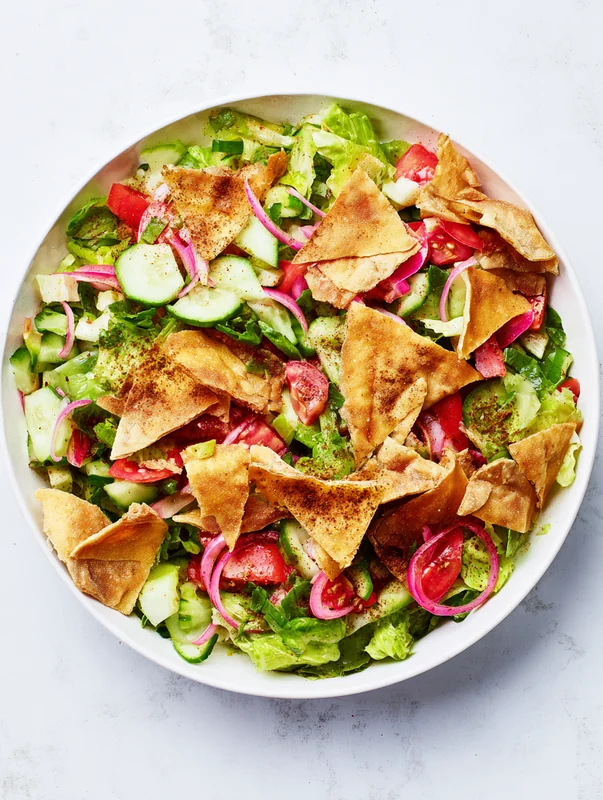
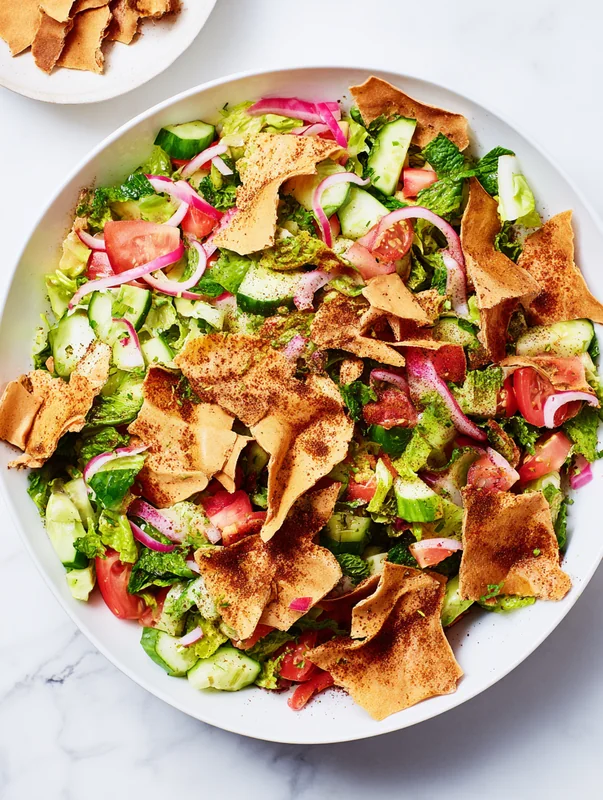
Lebanese fattoush salad with sumac is a celebration of freshness, color, and crunch. This iconic Middle Eastern salad is beloved for its medley of crisp vegetables, fragrant herbs, and the irresistible tang of sumac—a spice that defines its unique flavor profile. The addition of toasted pita chips brings a satisfying crunch, making every bite a delightful contrast of textures.
What sets fattoush apart is its bold, zesty dressing. Pomegranate molasses and lemon juice provide a sweet-tart backbone, while sumac infuses the salad with a citrusy brightness that awakens the palate. This easy recipe is not only quick to prepare but also endlessly customizable, allowing you to use whatever fresh produce is on hand. Whether served as a light lunch, a side dish, or part of a mezze spread, fattoush is a vibrant, healthy choice that brings the flavors of Lebanon to your table.
Authenticity is at the heart of this recipe. Drawing on traditional Lebanese kitchen wisdom, we layer flavors and textures for maximum impact. The result is a salad that’s as nourishing as it is delicious—perfect for busy weeknights or festive gatherings. Discover why fattoush, with its sumac-kissed dressing and crunchy pita, is a staple in homes across Lebanon and beyond.
Ready in just 30 minutes, this homemade fattoush salad is a testament to the power of simple, fresh ingredients. Let’s dive into the secrets behind its irresistible flavor and learn how to master this classic dish in your own kitchen.
The Science Behind Perfect Fattoush Salad
Creating the perfect fattoush salad is more than just tossing vegetables together. It’s a careful orchestration of texture, flavor, and chemistry. Let’s break down the science that makes this salad so special, inspired by the analytical approach of Serious Eats.
Sumac: The Citrus Powerhouse
Sumac is the defining spice in fattoush. Its tart, lemony flavor comes from malic acid, which acts as a natural flavor enhancer. Unlike vinegar or lemon juice, sumac’s acidity is subtle and layered, brightening the salad without overpowering the other ingredients. This makes it ideal for seasoning in layers—first on the pita chips, then in the dressing—building complexity and depth.
Mise en Place: Ingredient Prep Order
Proper mise en place ensures each component shines. Start by prepping the pita chips, allowing them to cool and crisp up while you chop the vegetables. Herbs should be added last to preserve their aroma and color. This sequence maximizes freshness and prevents sogginess.
Seasoning in Layers: Flavor Building
Seasoning at multiple stages—on the pita, in the dressing, and after tossing—ensures every bite is balanced. Salt draws out moisture from the vegetables, enhancing their crunch and flavor. Sumac’s acidity helps the dressing cling to the greens, while pomegranate molasses adds a sweet-tart note that rounds out the dish.
Heat Management: Toasting Pita
High heat (375°F/190°C) is key for achieving golden, crisp pita chips without burning. The Maillard reaction, responsible for browning, develops complex flavors and a satisfying crunch. Allowing the pita to cool fully ensures it stays crisp when mixed with the moist salad.
Resting Importance: Juice Redistribution
Letting the salad rest for a few minutes after tossing allows the flavors to meld and the juices to redistribute. However, add the pita chips just before serving to maintain their crunch. This balance is crucial for the signature fattoush texture.
Flavor Development Timeline: Browning Stages
The browning of pita chips is a visual cue for flavor development. Light golden means mild flavor, while deeper browning intensifies the nutty, toasty notes. Monitor closely to avoid burning, as overdone chips can introduce bitterness.
References
Ingredients You’ll Need
- 2 cups romaine lettuce, roughly chopped
- 1 cup English cucumber, diced
- 2 medium tomatoes, diced
- 1 small red onion, thinly sliced
- 1/2 cup radishes, thinly sliced
- 1/2 cup fresh mint leaves, roughly chopped
- 1/2 cup fresh parsley, roughly chopped
- 2 medium pita breads
- 2 tbsp olive oil (for pita chips)
- 1 tsp sumac (for pita chips)
- Salt to taste (for pita chips)
- 1/4 cup extra virgin olive oil (for dressing)
- 2 tbsp pomegranate molasses
- 1 lemon, juice of
- 1 clove garlic, minced
- 1 tsp sumac (for dressing)
- 1/2 tsp salt (for dressing)
Step-by-Step Instructions
Step 1: Toast the Pita Chips
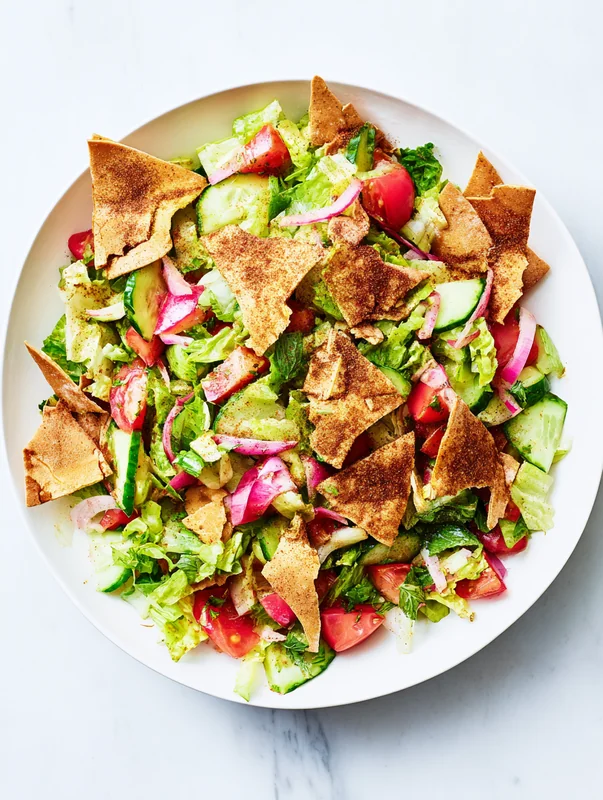
Preheat your oven to 375°F (190°C). Cut the pita bread into bite-sized pieces. Toss with 2 tablespoons of olive oil, 1 teaspoon sumac, and a pinch of salt. Spread on a baking sheet and bake for 10 minutes, or until crisp and golden. Set aside to cool completely.
Step 2: Prepare the Vegetables and Herbs
In a large mixing bowl, combine the chopped romaine lettuce, diced cucumber, tomatoes, thinly sliced red onion, radishes, mint, and parsley. Toss gently to mix the vegetables and herbs evenly.
Step 3: Make the Dressing
In a small bowl, whisk together 1/4 cup extra virgin olive oil, 2 tablespoons pomegranate molasses, juice of 1 lemon, 1 minced garlic clove, 1 teaspoon sumac, and 1/2 teaspoon salt until well combined.
Step 4: Dress the Salad
Drizzle the dressing over the salad. Toss everything together to ensure the vegetables are evenly coated and the flavors are distributed.
Step 5: Add the Pita Chips
Just before serving, add the cooled, toasted pita chips to the salad. Give it a final gentle toss to combine, preserving the crunch of the pita.
Step 6: Serve
Serve immediately to enjoy the crisp textures and vibrant flavors. Fattoush is best eaten fresh, but see storage tips below for meal prep ideas.
Lebanese Fattoush Salad With Sumac
- Total Time: 30 minutesutes
- Yield: 4 1x
Description
Dive into the vibrant flavors of the Middle East with this authentic Lebanese Fattoush recipe, featuring a tangy sumac and pomegranate dressing that’s sure to tantalize your taste buds.
Ingredients
Scale
2 cups romaine lettuce, roughly chopped
1 cup English cucumber, diced
2 medium tomatoes, diced
1 small red onion, thinly sliced
1/2 cup radishes, thinly sliced
1/2 cup fresh mint leaves, roughly chopped
1/2 cup fresh parsley, roughly chopped
2 medium pita breads
2 tbsp olive oil
1 tsp sumac
Salt to taste
1/4 cup extra virgin olive oil
2 tbsp pomegranate molasses
1 lemon, juice of
1 clove garlic, minced
1/2 tsp salt
Instructions
Preheat your oven to 375°F (190°C). Cut the pita bread into bite-sized pieces, toss with 2 tablespoons of olive oil, sumac, and a pinch of salt. Spread the pita pieces on a baking sheet and bake for 10 minutes or until crisp and golden. Set aside to cool.
In a large mixing bowl, combine the chopped romaine lettuce, cucumber, tomatoes, red onion, radishes, mint, and parsley. Toss gently to mix the vegetables and herbs.
To prepare the dressing, whisk together the extra virgin olive oil, pomegranate molasses, lemon juice, minced garlic, sumac, and salt in a small bowl until well combined.
Drizzle the dressing over the salad and toss everything together to ensure the vegetables are evenly coated.
Just before serving, add the toasted pita pieces to the salad and give it a final gentle toss.
Serve immediately to enjoy the crunch of the pita and the freshness of the vegetables.
Notes
Recipe tested and perfected for best results. Enjoy!
- Prep Time: 20 minutesutes
- Cook Time: 10 minutesutes
- Category: Mezze
- Method: Side Dish
- Cuisine: Lebanese
Pro Tips & Common Mistakes
Pro Tip: For extra crunch, let the pita chips cool completely before adding to the salad. This prevents them from becoming soggy.
Pro Tip: Use a mix of fresh herbs—mint and parsley are classic, but dill or cilantro can add a unique twist.
Pro Tip: Season the salad in layers: a pinch of salt on the veggies, sumac on the pita, and a well-balanced dressing.
Pro Tip: For a heartier meal, top with grilled chicken or chickpeas.
Common Mistake: Adding pita chips too early. They’ll lose their crunch if they sit in the salad too long.
Common Mistake: Overdressing the salad. Add dressing gradually and toss, tasting as you go.
Common Mistake: Skipping sumac. This spice is essential for authentic flavor—don’t substitute with lemon alone.
Equipment Needed
| Equipment | Purpose |
|---|---|
| Large mixing bowl | Tossing salad ingredients |
| Baking sheet | Toasting pita chips |
| Small bowl | Mixing dressing |
| Whisk | Emulsifying dressing |
| Sharp knife | Chopping vegetables and herbs |
| Cutting board | Prepping ingredients |
Variations & Substitutions
| Variation | How to Make It |
|---|---|
| Grilled Chicken Fattoush | Top salad with sliced grilled chicken breast for extra protein. |
| Vegan Fattoush | Ensure pita is vegan and omit any dairy-based toppings. |
| Regional Lebanese Fattoush | Add purslane or arugula, as done in some Lebanese regions. |
| Spicy Fattoush | Add a pinch of Aleppo pepper or chili flakes to the dressing. |
| Gluten-Free Fattoush | Use gluten-free pita or substitute with crispy chickpeas. |
Storage & Meal Prep
Fattoush salad is best enjoyed fresh, but you can prep components ahead for convenience:
- Vegetables & Herbs: Chop and store in an airtight container in the fridge for up to 2 days.
- Pita Chips: Store cooled pita chips in an airtight container at room temperature for up to 3 days.
- Dressing: Mix and refrigerate in a sealed jar for up to 5 days. Shake well before using.
- Assembly: Toss vegetables and dressing just before serving. Add pita chips last to maintain crunch.
For meal prep, portion salad and dressing separately. Add pita chips right before eating to prevent sogginess.
Frequently Asked Questions
What is sumac, and why is it essential in fattoush?
Sumac is a tangy, deep red spice made from dried and ground berries. It adds a citrusy brightness that defines fattoush’s flavor, balancing the richness of olive oil and the sweetness of pomegranate molasses. Its acidity is more subtle than lemon, making it ideal for layering flavors.
Can I make fattoush salad ahead of time?
You can prep the vegetables, herbs, and dressing in advance, but assemble and toss the salad just before serving. Add pita chips at the last moment to keep them crisp.
What are some authentic Lebanese variations of fattoush?
Regional variations include adding purslane, arugula, or green peppers. Some home cooks use different herbs or add a touch of sumac to the vegetables as well as the dressing. The core elements—fresh vegetables, herbs, sumac, and crispy pita—remain constant.
Is fattoush salad healthy?
Yes! Fattoush is rich in fiber, vitamins, and antioxidants from fresh vegetables and herbs. The olive oil provides healthy fats, and sumac offers additional antioxidants. It’s naturally vegan and can be made gluten-free with the right pita.
What can I use instead of pomegranate molasses?
If you can’t find pomegranate molasses, mix equal parts lemon juice and a touch of honey or maple syrup for a similar sweet-tart effect. However, authentic flavor is best achieved with real pomegranate molasses.
How do I keep the salad from getting soggy?
Keep the pita chips and dressing separate until just before serving. Toss the salad gently and serve immediately for the best texture.
Learn More

About Chef Lucía Barrenechea Vidal
Chef Lucía brings over 15 years of culinary expertise, blending traditional flavors with modern techniques. Her passion for Middle Eastern cuisine shines through in every recipe, making authentic dishes accessible to home cooks everywhere.