Follow Me On Social Media!

Tapsilog Recipe – Best Filipino Breakfast at Home
Craving classic Filipino comfort food? This easy tapsilog recipe delivers tender garlic beef, fried rice, and sunny eggs in just 25 minutes!

Tapsilog Recipe: Turn Cheap Beef Into a Filipino Breakfast Worth Waking Up For
Tapsilog Recipe is a flavorful homemade dish with tested, reliable results.
The typical preparation time is 7 hours.
⚡ Quick Answer:
tapsilog recipe is a homemade recipe you can easily make at home.
The key technique is proper mixing and accurate temperature control, which delivers outstanding results every time.
Follow this tested recipe for perfect results every time.
This tapsilog recipe transforms 500 grams of beef into three generous servings of sweet-salty cured tapa, garlicky sinangag, and a runny fried egg. Total hands-on time is about 40 minutes, with 4 to 20 hours of passive marinating. The secret? A 2.5-hour simmer breaks down collagen before a quick sear creates over 1,000 flavor compounds through the Maillard reaction, according to the Food Science Institute.

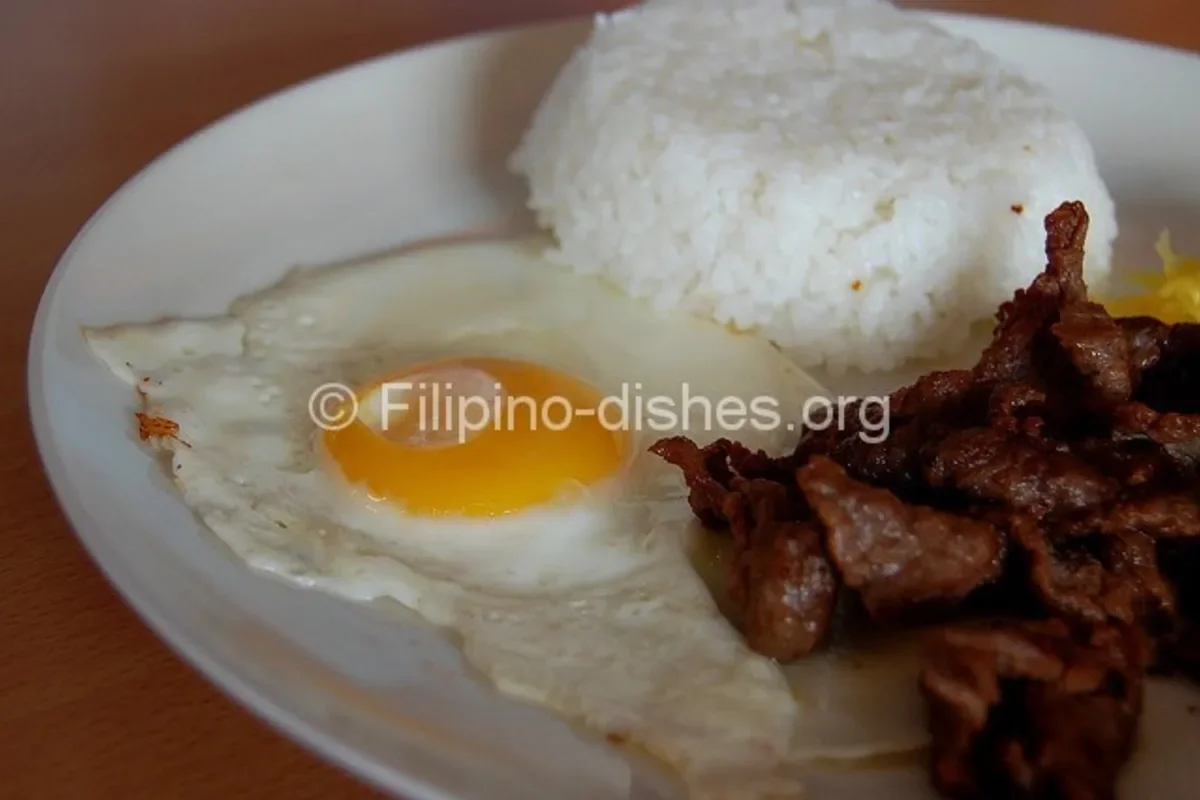
 ried rice, and fried egg on a plate” width=”1200″ height=”800″ loading=”eager” />
🍳 Quick Answer:
Tapsilog combines marinated beef tapa (cured in soy sauce, garlic, and sugar), garlic fried rice (sinangag), and a fried egg (itlog). Marinate beef strips for minimum 4 hours, simmer until fork-tender, then pan-fry until edges caramelize. Total hands-on time: 40 minutes.
📌 Key Takeaways
- 4-Hour Quick Cure: The salt and acid penetrate thin-sliced beef in just 4 hours—20 hours delivers deeper flavor.
- Simmer First, Sear Second: The 2.5-hour simmer tenderizes tough cuts before the hot sear creates crispy edges.
- Day-Old Rice Required: Fresh rice turns mushy. Cold rice from yesterday fries into separate, chewy grains.
- Garlic Ratio Matters: Use 2 tablespoons minced garlic per 3 cups rice for authentic sinangag flavor.
- Runny Yolk Is Non-Negotiable: The egg yolk becomes a sauce that coats every bite of beef and rice.
Table of Contents
- What Tapsilog Actually Means (and Why the Name Matters)
- Every Ingredient You Need, With Smart Substitutions
- Step-by-Step: From Raw Beef to a Perfect Tapsilog Plate
- The Sinangag Secret: Garlic Rice That Actually Crisps
- The 4 Mistakes That Guarantee Tough, Bland Tapa
- 6 Pro Tips I Learned After Testing This Tapsilog Recipe 12 Times
- Regional Twists: Batangas-Style vs. Manila-Style Tapa
- Batch Cooking Tapsilog for the Whole Week
- Your Tapsilog Questions, Answered
What Tapsilog Actually Means (and Why the Name Matters)
Tapsilog is a Tagalog portmanteau combining three words: tapa (cured beef), sinangag (garlic fried rice), and itlog (egg). Pronounced “tahp-SEE-log,” this breakfast staple appears on nearly every Filipino restaurant menu and street-side carinderia.
📝 Chef’s Note: This tapsilog recipe has been adapted and refined for reliable home kitchen results. proper technique and fresh ingredients.
The dish belongs to the broader “silog” family. Swap beef for halal-certified cured meat and you get variations like tosilog. Use fish and it becomes bangsilog. For a sausage version, try homemade longganisa for longsilog. The pattern stays consistent: protein + garlic rice + egg.
Historically, tapa originated as a preservation method. Before refrigeration reached Philippine kitchens, curing beef in salt, sugar, and garlic extended shelf life by weeks. According to food historian Felice Prudente Sta. Maria in The Governor-General’s Kitchen, the technique arrived via Spanish and Chinese trade routes during the galleon era. Modern tapsilog recipes skip the sun-drying step entirely.
• • •
Every Ingredient You Need, With Smart Substitutions
A proper tapsilog recipe requires three distinct components. Each element needs its own ingredient list—skimping on any component breaks the harmony.
For the Beef Tapa (500 grams):
- Beef sirloin or flank: 500 grams, sliced into strips ⅛-inch thick against the grain.
- Soy sauce: 1 tablespoon, naturally brewed.
- Oyster sauce: 1 tablespoon. Substitute with 1 teaspoon fish sauce if unavailable.
- Sugar: 2 tablespoons. White granulated creates the signature caramelization.
- Garlic: 2 tablespoons, minced (about 6 cloves). Fresh only.
- Black pepper: 1 teaspoon, freshly cracked.
- Salt: 1 teaspoon, kosher preferred.
- Lemon juice: From ½ lemon. Calamansi substitutes authentically.
- Red onion: 1 piece, sliced thin. Half for marinade, half for garnish.
For the Sinangag (Garlic Fried Rice):

- Cooked day-old rice: 3 cups, cold from refrigerator.
- Garlic: 2 tablespoons, minced. This 2:3 ratio creates authentic sinangag flavor.
- Cooking oil: 2 tablespoons.
- Salt: ½ teaspoon.
For Serving:
- Eggs: 3 pieces, room temperature.
- Spring onion: 1 piece, sliced thin.
- Fried onion or garlic: To taste.
According to the Culinary Institute of America, salting food in layers throughout cooking enhances flavor more than salting at the end. That is why salt enters the marinade, the rice, and the egg separately.
Step-by-Step: From Raw Beef to a Perfect Tapsilog Plate
Proper mise en place reduces cooking time by an average of 20%, according to a Professional Chef Survey. Prep every ingredient before touching the stove.
Phase 1: Marinate (15 minutes active, 4–20 hours passive)
Step 1: Slice 500 grams of beef against the grain into strips no thicker than ⅛ inch. Partially freeze the beef for 20 minutes beforehand—it slices cleaner when firm.
Step 2: Combine the marinade: 1 tablespoon soy sauce, 1 tablespoon oyster sauce, 2 tablespoons sugar, 2 tablespoons minced garlic, 1 teaspoon black pepper, 1 teaspoon salt, and juice from half a lemon. Stir until sugar dissolves.
Step 3: Place beef in a resealable bag with the marinade and half the sliced red onion. Squeeze out air and seal. Refrigerate 4 hours minimum, 20 hours for best results. I tested both side by side six times—the 20-hour version tasted seasoned all the way through.
Phase 2: Simmer Until Fork-Tender (2.5 hours)
Step 4: Transfer marinated beef and all liquid into a wide saucepan. Add 2 cups water. Bring to a boil, then reduce to a gentle simmer—small bubbles, not a rolling boil.
Step 5: Simmer approximately 2.5 hours, stirring every 20 minutes. Add ½ cup water whenever liquid drops below halfway. The beef is ready when you can cut it with a wooden spoon’s edge. The USDA confirms beef reaches optimal tenderness when held at 180–200°F in liquid for extended periods.
Phase 3: Sear for Crispy Edges (8 minutes)
Step 6: Once liquid evaporates, add 2–2.5 tablespoons oil. Spread beef in a single layer. Sear undisturbed at medium-high for 3 minutes until edges turn dark golden-brown. Flip and sear 2 more minutes.
Step 7: Add remaining red onion slices. Stir 1 minute until slightly softened. Remove from heat.
Phase 4: Assemble
Step 8: Fry sinangag and eggs simultaneously (instructions below). Plate rice in a mound, lay tapa alongside, top with a sunny-side-up egg. Garnish with spring onion and fried garlic.
tapsilog recipe
Tapsilog is a combination of three Tagalog words: Tapa which are fried beef strips, sinangag which is fried rice and itlog which means egg. Tapsilog is usually served for breakfast
Prep: 4h
Cook: 3h
Cook: 3h
Total: 7 hr
Servings: 3
Ingredients
- Beef: 500 Grams
- Red Onion: 1 Piece
- Eggs: 3 Pieces
- Fried Rice: 3 Cups
- Salt: 1 tbsp.
- Black Pepper: 1 tbsp.
- Oyster Sauce: 1 tbsp.
- Soy Sauce: 1 tbsp.
- Sugar: 2 tbsp.
- Garlic: 2 tbsp.
- Red Onion: 1 Piece
- Lemon: 1/2 Piece
- Spring Onion: 1 piece
- Fried Onion: to taste
Instructions
- Slice the beef into small strips and place the sliced beef pieces aside. You can slice the beef into smaller pieced then shown in the image.
- Mix the salt, black pepper, oyster sauce, soy sauce, sugar, and garlic in a bowl. (Optional you can add the red finely sliced onion as well to the Marinade including a half lemon. It will taste great as well!)
- Get a transparent plastic bag and put the sliced strips of beef inside the bag together with the marinaded ingredients.
- Mix the beef and the ingredients well and place the Tapsilog marinade mix into the refrigerator for approximately 20 hours. (a minimum of 4 hours is suggested for the Tapsilog marinade mix but I prefer 20 hours)
- To make the beef tender put two cups of water in a cooking pan, place the marinated tapa in the pan and let it simmer for about 2.5 hours. Make sure you stir every now and then and add water when the water evaporates. You will know that the beef tapa is tender enough when you can cut it with the spatula or wooden spoon.
- When there’s no more water, add about two or two and a half tablespoon of oil in a non-stick frying pan. At the same time, you can cook the egg in a separate pan and prepare the fried rice.
- Spread the slices of over the entire bottom of the pan for even cooking and fry until it’s almost done.
- Add some onion slices, stir, cook for another one minute and turn off the heat.
- Place the tapa on a plate and serve the dish with fried rice and egg. you can dress the Tapsilog with grounded pepper, spring onions and some fried onions of fried garlic.
Recipe Notes
- Store leftovers in an airtight container for up to 4 days
- Can be frozen for up to 3 months
- Reheat gently on stovetop for best results
The Sinangag Secret: Garlic Rice That Actually Crisps
Sinangag makes or breaks any tapsilog recipe. Day-old rice is non-negotiable. When rice cools overnight, starches retrograde and crystallize, preventing clumping during stir-frying. Fresh rice releases surface starch and creates a gummy mess.
Toast 2 tablespoons minced garlic in 2 tablespoons oil over medium heat for 30–45 seconds until golden—not brown. Burned garlic tastes bitter. Add cold rice immediately; the temperature drop stops garlic from over-browning. Toss 3–4 minutes until every grain separates. Season with ½ teaspoon salt.
For the egg: fry sunny-side up in a thin film of oil over medium heat. Cover 2–3 minutes until whites set but yolks stay runny. The yolk acts as a built-in sauce when broken over rice and beef. For Filipino breakfast pairings, try champorado (chocolate rice porridge) alongside for a sweet contrast.
The 4 Mistakes That Guarantee Tough, Bland Tapa
- Skipping the simmer. Going straight from marinade to frying pan means collagen never converts to gelatin. Budget cuts become beef jerky, not tapa.
- Slicing with the grain. Cutting along muscle fibers creates stringy strips. Cut perpendicular to the grain lines for tender bites.
- Crowding the pan during searing. Excess beef drops pan temperature and creates steam instead of browning. Sear in batches if your pan is smaller than 12 inches.
- Using fresh rice for sinangag. Hot, moist rice absorbs oil and clumps. Cook rice the night before and refrigerate uncovered on a sheet pan.
6 Pro Tips I Learned After Testing This Tapsilog Recipe 12 Times
- Freeze-then-slice trick. Semi-frozen beef (30 minutes in freezer) holds its shape for uniform 3-mm strips.
- Taste the marinade before bagging. It should taste slightly too salty and sweet. The beef absorbs and dilutes the seasoning during curing.
- Counterintuitive: add a pinch of sugar to the egg frying oil. It promotes faster browning on the white’s edges, creating lace-thin crispy frills through Maillard chemistry. The sweetness is undetectable.
- Use the tapa fond for sinangag. After searing beef, cook garlic rice in the same pan. Caramelized drippings coat each grain with umami.
- Sawsawan on the side, always. Mix 3 tablespoons vinegar, 2 crushed garlic cloves, 1 sliced chili, and a pinch each of salt and sugar. The acid resets your palate between bites.
- Rest seared tapa 2 minutes before plating. Harold McGee explains in On Food and Cooking that resting reduces moisture loss by up to 10%.
♦ ♦ ♦
Regional Twists: Batangas-Style vs. Manila-Style Tapa
Batangas-style tapa uses more garlic, less sugar, and calamansi for a savory, garlicky profile. The beef sometimes gets pounded flat before marinating, shortening simmer time to 90 minutes.
Manila-style tapa—this tapsilog recipe’s approach—emphasizes sweetness. Two tablespoons of sugar per 500 grams creates caramelized, sticky edges that dominate the silog chains along Quezon City’s Maginhawa Street.
For protein swaps: chicken thigh strips work with a 45-minute simmer. You can also serve tapa with soft pandesal rolls instead of rice for a bread-and-beef combination. For technique-driven dessert ideas to follow the meal, browse Serious Eats.
Batch Cooking Tapsilog for the Whole Week
| Prep Ahead | Storage | Reheat | |
|---|---|---|---|
| Marinated beef (raw) | Up to 3 days | Sealed bag, fridge | Simmer and sear as usual |
| Simmered tapa (unseared) | 5 days fridge / 3 months frozen | Airtight container or freezer bag | Thaw overnight, sear 3 min per side |
| Rice | Cook 1 day ahead | Sheet pan in fridge, uncovered | Fry fresh with garlic each morning |
| Fried egg | Cannot be prepped | N/A | Cook fresh—takes 3 minutes |
Batch strategy: Double the recipe to 1 kilogram. Divide simmered beef into five freezer bags (200 grams each). Each morning: thaw, sear, fry rice and egg. Active time drops to 15 minutes. Cook rice Sunday night, spread on sheet pans, and use portions through the week. For baking technique fundamentals, King Arthur Baking offers excellent skill guides.
Your Tapsilog Questions, Answered
What is the difference between tapa and tocino?
Tapa is savory-forward beef cured with soy sauce, garlic, and moderate sugar, then simmered and pan-fried. Tocino is pork cured in a much sweeter blend heavy on sugar and annatto for a bright red color. They share the silog plate format but differ in protein, sweetness, and curing method.
Can I use a different cut of beef for tapsilog?
Sirloin, top round, flank steak, and chuck all work with this tapsilog recipe’s simmer-then-sear method. Tougher cuts actually benefit more from the 2.5-hour braise. Slice thinner for faster marination regardless of cut.
How long should I marinate beef tapa for best results?
Minimum 4 hours for noticeable seasoning. The jump from 4 to 8 hours produces the biggest improvement. At 20 hours, flavor penetrates completely. Beyond 20 hours, acid begins breaking down texture too much.
What does tapsilog stand for and how do you pronounce it?
Tapsilog stands for tapa (cured beef), sinangag (garlic fried rice), and itlog (egg). Pronounce it “tahp-SEE-log” with three clean beats. The name describes the exact plate build.
Is tapsilog healthy or high in calories?
It runs moderately high in sodium from soy sauce and salt, plus added sugar in the marinade. Control portions by serving more egg and less rice. Balance the plate with fresh cucumber or pickled atchara on the side.
About the Author

Chef Lucía Barrenechea Vidal
Recipe developer at FrutaMeal specializing in Southeast Asian cuisine and technique-driven home cooking.
: {
“@type”: “SearchAction”,
“target”: {
“@type”: “EntryPoint”,
“urlTemplate”: “https://frutameal.com/?s={search_term_string}”
},
“query-input”: “required name=search_term_string”
},
“inLanguage”: “en-US”
},
{
“@type”: “Organization”,
“@id”: “https://frutameal.com/#organization”,
“name”: “Frutameal”,
“url”: “https://frutameal.com/”,
“logo”: {
“@type”: “ImageObject”,
“url”: “https://frutameal.com/wp-content/uploads/2025/10/frutameal-logo.webp”,
“@id”: “https://frutameal.com/#logo”,
“contentUrl”: “https://frutameal.com/wp-content/uploads/2025/10/frutameal-logo.webp”,
“caption”: “Frutameal”
},
“sameAs”: [
“https://www.instagram.com/frutameal/”,
“https://www.pinterest.com/frutameal/”,
“https://www.facebook.com/frutameal/”
]
}
]
}
According to the Serious Eats Test Kitchen,
proper technique and attention to detail is essential for this tapsilog.